How to Perform a Winter Home Safety Audit for Electrical Systems
A January Electrical Safety Audit gives homeowners a strategic opportunity to evaluate electrical performance during the most demanding month of winter. Audit your home’s electrical system each January to prevent failures during the coldest part of winter. Extreme temperatures, prolonged appliance usage, and winter storms expose weaknesses that often remain unnoticed during other seasons.
Homes in Spokane, Coeur d’Alene, and surrounding areas experience peak electrical strain in January. Heating systems run continuously, lighting usage increases, and backup equipment often operates during outages. Without a structured audit, small electrical issues escalate into outages, equipment damage, or safety hazards.
As discussed in Ice Dam Electrical Safety Tips, winter moisture and cold frequently combine to create hidden electrical risks that require proactive evaluation.
For expert guidance and professional service, visit VPC Electric Spokane or schedule assistance through the contact page.
Why January Is the Right Time for an Electrical Safety Audit
January represents the peak of winter stress on residential electrical systems. Cold temperatures increase resistance in wiring, while electrical demand reaches its annual high.
By auditing systems during this period, homeowners identify real-world performance issues instead of relying on assumptions. January conditions reveal overloaded circuits, weakened connections, and moisture exposure more clearly than in milder months.
A timely audit allows corrective action before failures occur.
Winter Electrical Safety Audit Spokane Homeowners Should Prioritize
The winter electrical safety audit Spokane homeowners should prioritize focuses on identifying stress points created by seasonal demand. Homes built decades ago often lack modern capacity and protection features.
January audits highlight issues such as repeated breaker trips, voltage fluctuations, and heating-related overloads. These findings guide targeted upgrades that improve safety and reliability.
Without an audit, homeowners often react to emergencies instead of preventing them.
Seasonal Home Inspection Idaho Residents Benefit From
The seasonal home inspection Idaho residents benefit from extends beyond roofing and plumbing. Electrical systems require equal attention because winter introduces unique risks.
Moisture intrusion, condensation, and prolonged load conditions affect wiring, panels, and outlets. Inspections identify these threats early and prevent escalation.
Professional evaluations provide clear insight into system health under winter conditions.
Key Areas to Include in a Winter Electrical Safety Audit
Electrical Panel Evaluation
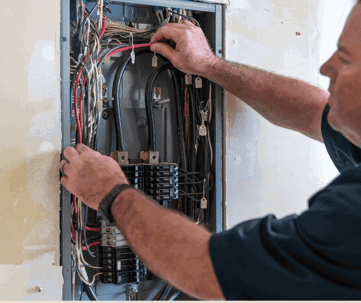
Inspect the electrical panel for signs of stress. Breakers should operate smoothly without excessive heat or noise.
Check for corrosion, moisture, or loose components. Panels located in garages or basements require special attention due to temperature fluctuations.
Professional inspectors often uncover hidden panel issues during winter audits.
Circuit Load Assessment
Review circuit usage throughout the home. Identify circuits that power multiple high-demand devices such as heaters, kitchen appliances, or laundry equipment.
January usage patterns often overload shared circuits. Load balancing reduces breaker trips and overheating risks.
Prevent Winter Electrical Failures Coeur d’Alene Homeowners Face
Preventing winter electrical failures Coeur d’Alene homeowners face requires identifying issues before they disrupt daily life. January audits uncover vulnerabilities that cause outages during storms and cold snaps.
Common findings include undersized circuits, outdated panels, and insufficient grounding. Addressing these issues improves reliability throughout winter.
Proactive homeowners avoid emergency repairs and extended outages.
Inspecting Wiring and Connections During Winter
Interior Wiring Checks
Inspect visible wiring in basements, utility rooms, and crawl spaces. Look for cracked insulation, loose staples, or exposed conductors.
Cold temperatures stiffen insulation and increase failure risk. Early detection prevents hazards.
Junction Boxes and Fixtures
Check junction boxes for moisture signs or corrosion. Ceiling fixtures near exterior walls face higher exposure during winter.
Secure covers and ensure proper sealing to reduce moisture intrusion.
Outlet and Switch Safety Review
Test GFCI and AFCI Outlets
Test all GFCI and AFCI outlets to ensure proper function. Moisture and cold affect these devices more during winter.
Replace outlets that fail to trip or reset correctly.
Check for Warm or Discolored Outlets
Warm outlets indicate overload or loose connections. Discoloration suggests heat damage.
These signs require immediate professional evaluation.
Heating Equipment and Electrical Load Interaction
Evaluate Heating System Circuits
Heating equipment draws significant power during January. Confirm that furnaces, heat pumps, and space heaters operate on dedicated circuits.
Shared circuits increase overload risk and breaker trips.
Limit Temporary Electrical Solutions
Avoid relying on extension cords and power strips for winter heating needs. Temporary solutions fail under sustained load.
Permanent upgrades provide safer and more reliable performance.
Attic, Garage, and Exterior Electrical Considerations
Attic Wiring and Moisture Risk
Attics experience temperature extremes that affect wiring and fixtures. Inspect for condensation, ice dam intrusion, and insulation issues.
Moisture exposure accelerates wiring degradation.
Garage and Exterior Outlets
Garages and exterior outlets face cold air and moisture exposure. Inspect weatherproof covers and seals.
Replace damaged components to maintain safety.
Warning Signs That Require Immediate Action
Homeowners should act quickly if they notice:
- Frequent breaker trips in January
- Flickering lights during heater operation
- Burning odors near outlets or panels
- Buzzing sounds from electrical components
These signs indicate serious issues that audits often uncover.
When Professional Electrical Help Becomes Essential
January audits often reveal conditions that require licensed expertise. DIY repairs increase risk during winter due to cold and moisture.
Homeowners frequently rely on electricians in Coeur d’Alene Idaho to conduct comprehensive winter audits and corrective upgrades.
Professional evaluations ensure code compliance and long-term safety.
Long-Term Benefits of a January Electrical Safety Audit
Reduced Emergency Repairs
Audits identify issues before they cause outages or damage. Preventive repairs cost less than emergency service.
Improved Home Safety
Addressing overloads, moisture exposure, and outdated components reduces fire and shock risks.
Enhanced Electrical Reliability
Upgrades based on audit findings improve performance throughout winter and beyond.
Electrical Upgrades Commonly Recommended After Audits
Panel Upgrades and Circuit Expansion
Modern panels handle higher loads and integrate safety features. Circuit expansion reduces overload risk.
Homeowners trust VPC Electric Spokane to implement winter-ready upgrades that improve capacity and safety.
Grounding and Bonding Improvements
Proper grounding stabilizes electrical flow and reduces nuisance trips. Audits often reveal outdated grounding systems.
Upgrading grounding enhances safety during winter demand spikes.
Regional Expertise Matters for Winter Audits
Local climate knowledge improves audit accuracy. Regional professionals understand how snow, ice, and cold affect electrical systems.
Residents often consult electrician CDA specialists for winter-focused inspections and recommendations.
Homeowners near Spokane Valley rely on electrician Spokane Valley WA providers for timely January evaluations.
Scheduling Your Winter Electrical Safety Audit
Homeowners should schedule audits early in January to capture peak winter conditions. This timing ensures accurate assessment of system performance.
Homeowners can request professional audits through Residential Electrical Services to protect their homes during winter.
Early scheduling reduces delays during high-demand winter months.
Common Mistakes to Avoid During Winter Audits
- Ignoring minor breaker trips
- Delaying inspections until outages occur
- Overlooking moisture-prone areas
- Attempting DIY repairs on panels
Avoiding these mistakes improves audit effectiveness.
Final Thoughts
A winter electrical safety audit Spokane homeowners prioritize protects homes during the most demanding part of the year. The seasonal home inspection Idaho residents value and efforts to prevent winter electrical failures Coeur d’Alene homeowners face all reinforce the importance of January evaluations.
With proactive audits, professional guidance, and timely upgrades, homeowners maintain safety, reliability, and peace of mind throughout winter.
For trusted local expertise, visit VPC Electric Spokane or schedule service through the contact page.