How Ice Dams Cause Electrical Damage and How to Prevent It
Ice Dam Electrical Safety Tips help homeowners understand how winter roof conditions threaten electrical systems long before visible damage appears. Ice dams create hidden electrical hazards—protect wiring, outlets, and fixtures from winter moisture damage. When snow melts unevenly along rooflines and refreezes at eaves, trapped water forces its way into walls, ceilings, and electrical pathways.
Homes in Coeur d’Alene, Spokane, and surrounding areas face recurring ice dam issues due to fluctuating winter temperatures. These conditions introduce moisture into areas that electrical systems never expect to encounter water. Without preventive action, ice dams compromise wiring insulation, outlets, light fixtures, and breaker panels.
As explained in Winter Electrical Panel Checklist, moisture and cold together create some of the most damaging winter electrical risks.
For professional guidance and local expertise, visit VPC Electric Spokane or request service through the contact page.
Why Ice Dams Create Serious Electrical Risks
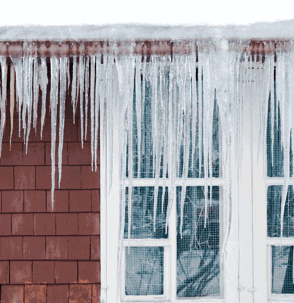
Ice dams form when heat escapes through the roof and melts snow unevenly. Meltwater flows downward and refreezes near colder roof edges, which traps water behind the ice ridge.
That trapped water seeks entry points into the home. It moves through roof decking, insulation, and wall cavities where electrical wiring runs. Once moisture reaches wiring or electrical components, serious hazards develop.
Unlike plumbing leaks, ice dam damage often remains hidden for weeks. Electrical systems suffer ongoing exposure to moisture, which increases shock risk, corrosion, and fire potential.
Ice Dam Electrical Hazards Coeur d’Alene Homeowners Face
Ice dam electrical hazards Coeur d’Alene homeowners face increase each winter due to heavy snowfall followed by temperature swings. Homes with older roofing systems, limited attic insulation, or inadequate ventilation experience higher risk.
Moisture from ice dams commonly reaches ceiling light boxes, attic wiring junctions, and wall-mounted outlets. Electrical insulation absorbs moisture and loses protective properties, which allows current leakage and overheating.
Because damage progresses silently, homeowners often discover problems only after breakers trip or outlets fail.
How Ice Dams Affect Residential Electrical Systems
Moisture Intrusion Into Wiring
Water from ice dams travels along framing and electrical cables. Capillary action pulls moisture deep into insulation layers.
Wet insulation loses resistance and increases the chance of arcing between conductors. This condition dramatically raises fire risk during winter usage peaks.
Fixture and Outlet Exposure
Ceiling fixtures and wall outlets located near exterior walls face higher exposure. Meltwater pools above electrical boxes and drips directly onto connections.
Once corrosion begins, electrical resistance increases and heat buildup follows.
Roof Leak Electrical Risk Spokane Homes Encounter
Roof leak electrical risk Spokane homes encounter often starts with small ice dam breaches that appear harmless. A minor ceiling stain often signals water movement near electrical wiring.
As moisture spreads, outlets and switches begin to feel warm or behave inconsistently. Flickering lights and tripped breakers often follow.
Without intervention, water-damaged wiring deteriorates rapidly and creates long-term safety hazards.
Winter Wiring Safety Idaho Homeowners Should Understand
Winter wiring safety Idaho homeowners should understand includes recognizing how moisture and cold interact inside electrical systems. Cold temperatures stiffen insulation and wiring while moisture accelerates degradation.
When both factors combine, wiring fails faster and with greater risk. Proper winter preparation reduces these dangers significantly.
Professional inspections identify hidden moisture exposure before damage escalates.
Areas Most Vulnerable to Ice Dam Electrical Damage
Attics and Ceiling Cavities
Attics experience the first impact of ice dam water intrusion. Electrical junction boxes, recessed lighting, and branch wiring often run through attic spaces.
Without proper insulation and ventilation, moisture accumulates quickly and spreads along wiring runs.
Exterior Walls
Walls beneath roof edges frequently contain outlets, switches, and lighting circuits. Ice dam water flows downward and saturates these cavities.
Over time, moisture weakens connections and corrodes metal components.
Electrical Panels and Subpanels
In severe cases, water reaches breaker panels located in garages or basements. Condensation forms inside panels and compromises breaker operation.
Panels exposed to moisture require immediate professional evaluation.
Warning Signs of Ice Dam–Related Electrical Damage
Homeowners should watch for these indicators:
- Flickering or dimming lights near exterior walls
- Outlets that feel warm or stop working
- Repeated breaker trips during cold weather
- Discoloration around ceiling fixtures
- Burning odors near switches or panels
These symptoms require immediate attention to prevent serious hazards.
Preventing Electrical Damage From Ice Dams
Improve Attic Insulation and Ventilation
Balanced attic temperatures reduce snowmelt that leads to ice dams. Proper insulation limits heat escape, while ventilation maintains cold roof surfaces.
This combination prevents ice buildup and protects electrical systems below.
Seal Roof Penetrations
Seal gaps around vents, chimneys, and skylights. These areas allow warm air to escape and contribute to ice dam formation.
Sealing reduces moisture intrusion and protects wiring pathways.
Schedule Professional Electrical Inspections
Licensed electricians inspect wiring routes, junction boxes, and fixtures for moisture exposure. Early detection prevents costly repairs and safety risks.
Homeowners often rely on electricians in Coeur d’Alene Idaho for winter inspections that address ice dam–related risks.
Electrical Safety Steps During Ice Dam Conditions
Limit Electrical Load Near Affected Areas
Avoid heavy electrical usage on circuits serving areas with visible water intrusion. Reduced load lowers heat buildup and minimizes risk.
Shut Off Power When Necessary
If water contacts outlets or fixtures, shut off the affected circuit immediately. Professional evaluation should follow before restoring power.
Homeowners often consult electrician CDA specialists for safe winter shutdowns and repairs.
Long-Term Electrical Upgrades for Ice Dam Protection
Upgrade to Moisture-Resistant Fixtures
Install fixtures rated for damp or wet locations in vulnerable areas. These fixtures resist corrosion and moisture exposure.
Reroute Vulnerable Wiring
Rerouting wiring away from exterior walls reduces exposure risk. This solution proves especially effective in older homes.
Install GFCI and AFCI Protection
Modern protection devices shut off power quickly when moisture or arcing occurs. These upgrades significantly reduce winter hazards.
Homeowners trust VPC Electric Spokane to implement winter-ready electrical upgrades that protect against moisture damage.
Why Professional Help Matters With Ice Dam Damage
Ice dam damage often hides behind walls and ceilings. DIY inspections miss moisture trapped inside wiring and junction boxes.
Licensed electricians use specialized tools to detect moisture, insulation breakdown, and hidden corrosion.
Residents rely on electrician Spokane Valley WA providers for thorough winter diagnostics and code-compliant repairs.
Scheduling Preventive Electrical Service Before Winter
Proactive homeowners schedule inspections before heavy snowfall begins. Early action prevents ice dams from creating electrical hazards.
Homeowners can request inspections and upgrades through Residential Electrical Services to prepare for winter conditions.
Professional planning reduces emergency repairs and improves winter safety.
Regional Considerations for Ice Dam Risks
Homes in Coeur d’Alene and Spokane experience frequent freeze-thaw cycles that promote ice dam formation. Roof design, insulation quality, and weather patterns all influence risk.
Older homes face higher exposure due to outdated construction methods and limited insulation.
Targeted prevention strategies address these regional challenges effectively.
Common Mistakes Homeowners Should Avoid
- Ignoring ceiling stains or moisture odors
- Resetting breakers without investigation
- Using outlets near water intrusion
- Delaying professional inspections
Avoiding these mistakes reduces electrical risk significantly.
Final Thoughts
Ice dam electrical hazards Coeur d’Alene homeowners encounter and roof leak electrical risk Spokane residents face highlight the importance of winter preparedness. Winter wiring safety Idaho homeowners prioritize protects homes from hidden moisture damage that threatens electrical systems.
With proper insulation, early inspections, and professional electrical support, homeowners prevent ice dams from turning into serious electrical hazards.
For trusted expertise and winter electrical solutions, visit VPC Electric Spokane or schedule service through the contact page.