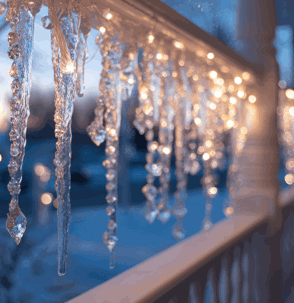
Winter brings early sunsets, icy walkways, and cold conditions that create safety challenges for homeowners across the Inland Northwest. Because visibility drops quickly during the season, exterior spaces require reliable illumination to support safe movement around your property. Proper lighting prevents slips, reduces accident risks, and increases security during long, dark nights. For these reasons, many residents search for dependable winter outdoor lighting safety tips that help Coeur d’Alene and Spokane homeowners protect their families during the coldest months of the year.
Winter nights come early, and walkways freeze rapidly. When homeowners take steps to improve outdoor lighting, they create safer entryways, driveways, patios, and sidewalks. Strong illumination also helps visitors, delivery drivers, and family members move confidently around the home. Because winter in Coeur d’Alene and Spokane brings unpredictable weather and extended periods of darkness, well-designed lighting becomes an essential part of home maintenance.
Residents who want professional installation can explore options through the Indoor and Outdoor Lighting page or visit the VPC Electric homepage to view additional services. You can also read the previous blog to learn more about winter home safety improvements that complement exterior lighting upgrades.
Why Winter Outdoor Lighting Matters in Coeur d’Alene
Coeur d’Alene winters present unique challenges that make lighting even more important. Snowfall accumulates quickly, and ice builds across entry points and driveways. Because temperatures remain cold throughout the season, icy patches often remain hidden beneath fresh snow. Outdoor lighting reveals these hazards early and reduces the likelihood of falls.
Additionally, Coeur d’Alene receives fewer daylight hours than many other regions. During winter, darkness can begin in the late afternoon, leaving long stretches of evening with low visibility. Proper lighting ensures the home stays safe, functional, and welcoming, even on the darkest days.
Effective outdoor lighting also complements home security efforts. Bright illumination discourages unwanted activity and increases visibility around the perimeter of the property. Consequently, homeowners gain protection, safety, and convenience with a well-planned winter lighting strategy.
The Importance of Outdoor Lighting Safety in Spokane
Spokane homeowners experience similar challenges during winter. Short days, heavy cloud cover, and frequent snow contribute to poor visibility. Because Spokane Valley receives colder overnight temperatures, ice often forms earlier in the evening and remains longer each day. Homeowners who use targeted walkway lighting reduce the risk of falls and create safer access to front doors, garages, and parking areas.
Walkway lighting ideas for Spokane homes include low-profile LED fixtures, motion-activated lights, and pathway markers that remain visible even when snow accumulates. Each option improves safety and supports winter mobility around the property. Lighting also increases driveway visibility, which helps drivers identify snowbanks, icy patches, and pedestrians.
Spokane neighborhoods benefit greatly from well-placed security lighting as well. Bright entryway lights, garage lights, and floodlights enhance visibility around the home and help families feel more secure during the winter months.
How Proper Lighting Improves Winter Illumination Safety in Idaho
Winter illumination requires strategic planning. Homeowners must consider placement, brightness, and fixture durability to ensure long-term effectiveness. Idaho’s winter conditions bring extreme cold, shifting temperatures, and heavy moisture. Lighting systems must withstand these factors without losing performance.
Strong winter lighting supports Idaho homeowners in several ways:
1. Improved Visibility on Icy Walkways
Illuminated pathways reveal slippery spots before accidents occur.
2. Better Access to Entries and Exits
Front doors, back patios, and garage areas remain accessible regardless of weather.
3. Enhanced Home Security During Long Winter Nights
Bright lighting discourages trespassing and makes suspicious activity easier to detect.
4. Safer Delivery and Guest Access
Delivery drivers and guests navigate safely when walkways and porches stay illuminated.
5. Year-Round Convenience
Although designed for winter, many lighting improvements offer benefits in spring and summer as well.
Outdoor lighting forms the foundation of safe and comfortable winter home management across Idaho.
Best Outdoor Lighting Types for Winter Safety
Homeowners achieve the best results when they choose lighting specifically designed for winter durability and performance. Below are essential lighting types that boost visibility and safety around your property.
1. LED Pathway Lights
LED fixtures provide bright and consistent illumination, even in freezing temperatures. They work well along sidewalks, garden paths, and entry routes. LED pathway lights also consume less power, which makes them efficient during long winter nights.
2. Motion-Activated Security Lights
Motion detection ensures that lights activate only when needed. These fixtures support energy efficiency and improve safety near garages, side yards, and back patios.
3. Floodlights for Driveways and Parking Areas
Floodlights cast wide beams that brighten large spaces. They help drivers identify icy patches and maneuver safely in and out of driveways.
4. Step and Stair Lighting
Outdoor stairs accumulate ice quickly. Step lights reveal edges and reduce fall risks.
5. Porch and Entryway Lighting
Bright entry lights create welcoming entrances and help homeowners unlock doors, locate keys, and greet visitors.
6. Solar Pathway Lights
Solar fixtures work well in areas with adequate sunlight. However, Idaho homeowners often prefer wired LED options because winter cloud coverage reduces solar performance.
Each lighting style enhances safety, but the most effective installations combine several solutions for full-property coverage.
Smart Lighting Upgrades for Winter Efficiency
Technology now plays a major role in winter lighting design. Smart lighting systems automate outdoor illumination and increase visibility without constant homeowner intervention.
1. Smart Timers for Winter Schedules
Timers ensure lights activate at predictable times. Because winter sunset occurs early, setting timers creates consistent illumination throughout the evening.
2. Motion-Based Automation
Motion sensors activate lights exactly when movement occurs. This strategy saves energy while maintaining convenience and security.
3. Smart Bulb and Fixture Integration
Homeowners control lighting remotely through smartphone apps. This feature helps residents adjust brightness or timing from anywhere.
Smart lighting upgrades pair well with other electrical improvements. For example, homeowners who upgrade their outdoor lighting often consider an electrical panel upgrade as well. You can learn more through the Electrical Panel Upgrades page and the previous blog discussing winter capacity needs.
Outdoor Lighting Placement Tips for Maximum Winter Safety
Even the highest-quality fixtures require thoughtful placement to achieve the best results. Lighting location determines visibility, safety, and energy efficiency.
1. Light All Primary Walkways
Walkways receive heavy foot traffic during winter. Placing lights along both sides of the path improves visibility and reduces tripping hazards.
2. Illuminate Driveway Edges
Driveway lights help drivers avoid icy patches and snowbanks. They also assist pedestrians walking near vehicles.
3. Highlight Stairs and Raised Surfaces
Each step should remain visible in low lighting. Installing step lights protects guests and family members.
4. Brighten Entry Points
Front and back doors require reliable lighting for winter safety. Consider overhead fixtures, wall sconces, or pendant lights.
5. Use Low-Glare Fixtures for Snowy Conditions
Snow reflects light easily. Choose fixtures that minimize glare and offer warm, directional illumination.
6. Position Lights for Wind and Weather Resistance
Idaho and Washington winters bring strong wind gusts. Secure fixtures tightly and select weather-resistant materials.
Strategic placement ensures long-lasting safety and consistent performance even in extreme winter weather.
Lighting Maintenance Tips for Winter Durability
Lighting systems operate under more strain during winter, so regular maintenance becomes essential. Homeowners can follow these steps to maintain consistent illumination all season.
1. Clear Snow and Ice From Fixtures
Snow buildup blocks light output. Remove snow after storms to restore full brightness.
2. Inspect Cords and Connections
Cold weather strains wiring. Check connections for damage or wear.
3. Replace Bulbs Promptly
Burned-out bulbs create dark patches along walkways. Replace bulbs immediately to preserve safety.
4. Check for Water Intrusion
Melting snow may seep into fixtures. Use sealed and weather-rated lights to prevent electrical issues.
5. Test Motion Sensors Regularly
Cold weather affects sensor performance. Regular testing ensures reliable activation.
6. Remove Ice Dams Near Fixtures
Ice can crack lens covers and reduce visibility. Clear ice carefully to avoid damage.
Consistent maintenance supports lighting durability and creates safer outdoor spaces.
How Outdoor Lighting Improves Home Security During Winter
Winter brings long periods of darkness that encourage homeowners to enhance their exterior security. Bright, consistent lighting discourages trespassers and increases visibility around windows, garages, and side yards.
Outdoor lighting improves home security in several ways:
- Illuminates hiding spots near entry points
- Helps neighbors observe suspicious activity
- Supports security camera visibility
- Increases confidence when arriving home after dark
- Provides clear sightlines around the property
Motion-activated lights offer additional protection because they startle intruders and alert homeowners to movement near the home.
When To Upgrade Outdoor Lighting Instead of Repairing It
Sometimes older lighting systems cannot meet the demands of winter weather. Homeowners should consider upgrades when they notice:
- Frequent bulb failures
- Dimming lights
- Cracked or rusted fixtures
- Poor illumination coverage
- Outdated technology
- High electricity consumption
Modern lighting provides stronger performance and greater efficiency. Upgrading also improves security and complements other winter electrical improvements such as surge protection and panel upgrades.
FAQs
1. How bright should outdoor winter lighting be for maximum safety?
Outdoor lighting should provide enough brightness to illuminate walkways, stairs, and entrances without causing glare. LED fixtures with warm or neutral tones offer excellent visibility and reduce harsh reflections on snow.
2. Do solar lights work well during Idaho winters?
Solar lights work best in areas with consistent sun exposure. Because Idaho winters bring heavy cloud coverage, homeowners often prefer wired LED systems for more reliable performance.
3. Can motion-activated lights replace standard outdoor lighting?
Motion-activated lights complement outdoor lighting systems but should not replace continuous illumination in high-traffic areas. Use them alongside pathway lighting, porch lights, and driveway fixtures for full coverage.
Final Thoughts
Understanding winter outdoor lighting safety tips helps Coeur d’Alene and Spokane homeowners maintain safe, well-lit properties throughout the coldest months of the year. Effective lighting reduces slip risks, strengthens security, and improves winter mobility around the home. With strategic placement, durable fixtures, and smart technology, homeowners achieve strong illumination even during harsh weather conditions.
If you want to install or upgrade your outdoor lighting, explore your options through the Indoor and Outdoor Lighting page. You can also review additional home-safety recommendations in the previous blog or visit the VPC Electric homepage for more services. To schedule professional assistance, reach out through the official contact page.