Winter conditions in Spokane and Coeur d’Alene place significant strain on household electrical systems. As temperatures drop and heaters run continuously, electrical demand increases across every circuit in the home. Breaker boxes work harder during the coldest months, especially when families use space heaters, holiday lights, and additional appliances. Because freezing temps can stress your electrical system, homeowners must inspect their breaker boxes early in the season to prevent outages. Understanding essential winter breaker box maintenance tips helps Spokane and Coeur d’Alene residents keep their homes safe, warm, and fully powered all winter long.
Freezing weather affects wiring, breaker performance, and overall system stability. Homes with older panels experience more frequent tripped breakers, flickering lights, and uneven power distribution during cold weather. These warning signs indicate the need for a proper panel inspection. Coeur d’Alene homeowners often rely on a panel inspection checklist to catch issues before winter storms cause widespread power problems. When residents understand how to maintain their breaker boxes effectively, they prevent costly outages and reduce fire risks.
Homeowners who want professional assistance can explore electrical panel upgrades and circuit breaker installation or visit the VPC Electric homepage for broader electrical services.
Why Winter Creates Extra Stress on Breaker Boxes
Breaker boxes regulate the flow of electricity throughout the home. When cold weather arrives, energy demand increases immediately because heating systems run longer and more consistently. Spokane winters also bring long nights, which increase lighting usage. Additional appliances like space heaters, electric blankets, holiday decorations, and garage heaters raise circuit demand even further.
When electrical usage spikes quickly, breaker boxes reach their limits. Breakers trip more often because circuits cannot handle sudden surges. Homes with outdated wiring or smaller electrical panels experience more frequent issues because their systems do not support modern energy needs. Cold temperatures worsen these problems by affecting the conductivity of certain components.
Because winter amplifies every weak point in the electrical system, regular maintenance ensures consistent power throughout the season.
Signs Your Breaker Box Needs Winter Maintenance
Recognizing early warning signs helps homeowners address electrical problems before they escalate. Tripped breaker cold weather symptoms often appear during the first cold snap of the season.
Look for the following issues:
1. Frequent Breaker Trips
If breakers trip repeatedly, your electrical panel struggles to support winter loads.
2. Flickering or Dimming Lights
Lights flicker when circuits become overloaded or wiring connections loosen.
3. Buzzing or Crackling Near the Breaker Box
Unusual sounds indicate loose wiring, damaged breakers, or internal corrosion.
4. Warm Breaker Box Cover
Overheating suggests overloaded circuits or failing breakers.
5. Burning Smells or Scorch Marks
These signs indicate immediate fire hazards that require professional inspection.
6. Appliances Struggling to Start
Slow or inconsistent operation signals voltage drops caused by panel issues.
Homeowners should never ignore these symptoms because they lead to dangerous conditions during severe cold.
Essential Winter Breaker Box Maintenance Tips
Spokane and Coeur d’Alene residents keep their homes safe by following these essential maintenance steps each winter season.
1. Perform a Visual Inspection Before Cold Weather Arrives
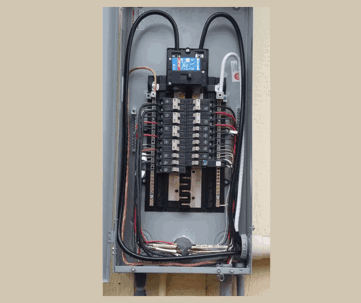
Check for rust, moisture buildup, loose screws, and signs of wear. Clean the area around the panel to improve ventilation.
2. Tighten Loose Connections Safely
Loose connections create heat and increase the risk of breaker failure. If you lack electrical experience, schedule a professional inspection.
3. Test Every Breaker for Proper Function
Manually reset each breaker to confirm smooth operation. Stiff or worn breakers require replacement.
4. Prevent Moisture Buildup
Moisture weakens components and causes corrosion. Keep the panel area dry and address any basement or garage leaks immediately.
5. Remove Clutter Around the Panel
Maintain at least three feet of clearance around the breaker box to comply with safety codes.
6. Label All Circuits Clearly
Clear labeling helps you identify overload risks and manage electrical loads more efficiently during winter.
7. Inspect Wiring for Wear
Old or damaged wiring contributes to winter power issues. Electricians determine whether wiring upgrades should accompany breaker box maintenance.
Proper maintenance supports winter efficiency and improves electrical system reliability.
Why Electrical Panels Fail More Often in Cold Weather
Cold weather impacts breaker box performance in several ways. When temperatures fall, electrical resistance changes inside wiring and appliances. This shift affects the flow of electricity and increases the chance of overloads.
Here’s why failures increase during winter:
1. Higher Electrical Demand
Heaters, holiday lights, and kitchen appliances run more frequently, which places a heavy load on circuits.
2. Increased Moisture Exposure
Cold air meets warm air and creates condensation in garages, basements, and near entry points. Moisture damages panel components.
3. Aging Breakers Struggle Under Stress
Older breakers cannot respond quickly enough to sudden surges caused by heating equipment.
4. Voltage Drops Occur More Often
Cold weather reduces voltage stability across utility lines. Breakers work harder to manage fluctuations.
5. More Frequent Appliance Cycling
Heating systems cycle on and off rapidly during temperature swings. These surges add stress to electric panels.
Understanding these factors helps homeowners invest in upgrades before serious winter issues occur.
When To Consider an Electrical Panel Upgrade
Regular maintenance prevents many problems, but some homes require panel upgrades to support winter electrical demands. Spokane and Coeur d’Alene neighborhoods include many older properties that rely on outdated 60-amp or 100-amp panels. Modern households require larger capacity to support EV chargers, heat pumps, space heaters, and high-efficiency appliances.
Consider upgrading your panel if you notice:
- frequent tripped breakers
- difficulty running multiple appliances
- dimming lights during heater startup
- lack of available breaker slots
- outdated fuse boxes
- burning smells or buzzing
Panel upgrades improve home safety, deliver better energy distribution, and reduce the risk of winter outages. Homeowners can explore upgrade options through electrical panel upgrades.
The Importance of a Panel Inspection Checklist in Coeur d’Alene
Coeur d’Alene homeowners benefit from a consistent inspection process before winter storms arrive. A panel inspection checklist helps homeowners identify weak points and address problems early.
Your winter inspection checklist should include:
1. Examine Breakers for Wear
Inspect each breaker for discoloration, melting, or damaged components.
2. Confirm Proper Breaker Size
Ensure each circuit uses the correct breaker size to prevent overloads.
3. Check for Corrosion
Moisture creates corrosion that weakens electrical connections.
4. Inspect Grounding and Bonding
Proper grounding protects against electrical faults, especially during winter surges.
5. Test GFCI and AFCI Breakers
These safety devices protect against shock and fire hazards. Test them monthly during winter.
A carefully followed checklist improves home safety and reduces emergency repair needs during the cold season.
Understanding Tripped Breaker Issues in Cold Weather
Cold weather affects electrical loads differently than warm weather. When families use multiple heating sources simultaneously, circuits reach their limit quickly.
Common causes of tripped breakers include:
1. Space Heaters on Shared Circuits
Space heaters draw heavy power and overload circuits when combined with other appliances.
2. Holiday Lighting
Multiple light strands increase circuit demand and cause unexpected tripping.
3. Heat Pump Startup Surges
Heat pumps draw significant power during startup, which stresses weak circuits.
4. Garage Heater Usage
Garages often contain limited circuits. Using a heater on the same line as tools or appliances overloads the panel.
5. Defective Breakers
Worn breakers misinterpret normal electrical fluctuations as overloads.
When breakers trip repeatedly, homeowners should call a professional as soon as possible to avoid long-term damage. Repairs become more difficult when cold weather worsens wiring conditions.
Winter Safety Tips for Breaker Box and Home Electrical Systems
Homeowners improve electrical safety by combining breaker box maintenance with smart winter practices.
1. Space Out High-Demand Appliances
Avoid running heaters, microwaves, and hair dryers on the same circuit.
2. Check Extension Cords for Wear
Winter use increases strain on cords. Choose heavy-duty, indoor-rated extension cords for all temporary lighting.
3. Install LED Lighting to Reduce Load
LEDs require less power, which reduces strain on circuits.
4. Maintain Proper Insulation
Insulation reduces heater demand and lowers the electrical load on your breaker box.
5. Address Ice Dams and Roof Leaks Immediately
Water infiltration creates serious electrical hazards near outlets and wiring.
Following these tips provides better protection against winter electrical failures.
When To Schedule Professional Maintenance
Homeowners should schedule professional breaker box maintenance when they:
- experience repeated breaker trips
- notice burning smells or buzzing
- see scorch marks near outlets or the panel
- need to add new appliances
- suspect outdated wiring
- plan to install EV chargers or heat pumps
Electricians inspect circuits, evaluate breaker performance, and determine whether upgrades or repairs offer the best solution. Homeowners can find support through the VPC Electric homepage or schedule service through the contact page.
FAQs
1. Why do breakers trip more often in winter?
Breakers trip because increased electrical loads overwhelm circuits. Heaters, lighting, and appliances draw more power during winter, which pushes older panels beyond capacity.
2. How often should I inspect my breaker box?
Inspect your breaker box at least once a year before winter. Homes with older wiring or high-demand appliances may need more frequent evaluations.
3. Does my home need a panel upgrade for winter?
If your panel struggles to support heating equipment or trips often during cold weather, you likely need a panel upgrade. Upgrading improves safety and prevents outages.
Final Thoughts
Understanding winter breaker box maintenance tips helps Spokane and Coeur d’Alene homeowners prevent outages and maintain safer electrical systems during the coldest months. Breaker boxes work harder in winter because heating systems, lighting, and appliances increase electrical demand. Early inspections, proper maintenance, and timely upgrades ensure your electrical system supports your home throughout the season.
Homeowners who want expert support can review electrical panel upgrades or explore circuit breaker installation services. To request an inspection or schedule repairs, visit the VPC Electric homepage or reach out through the official contact page.