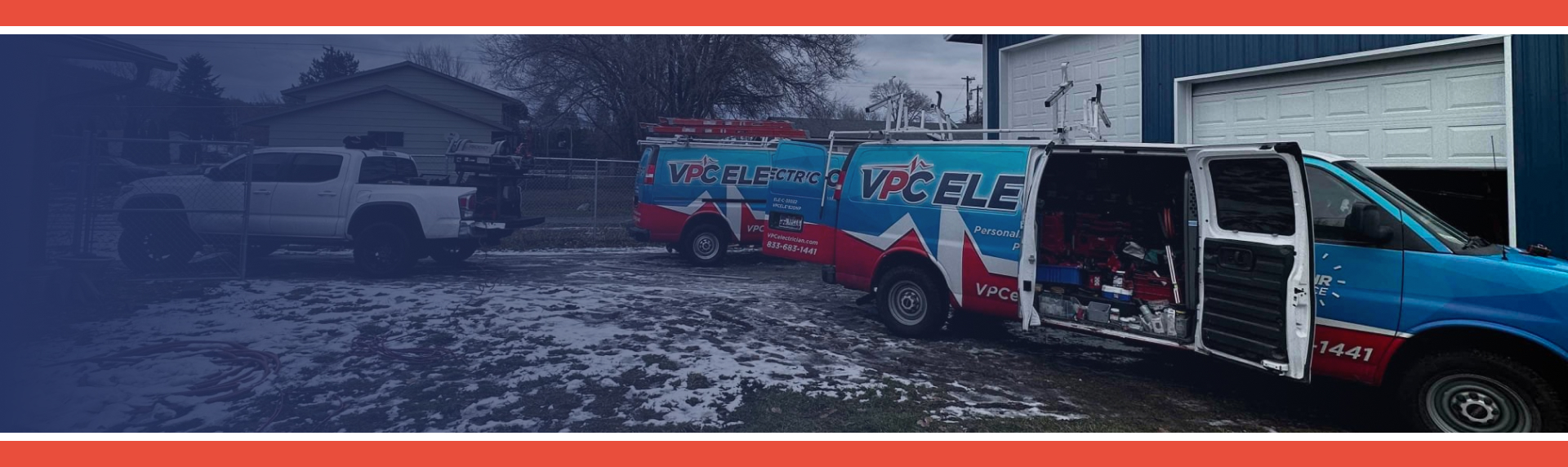
Winter storms create intense conditions throughout the Inland Northwest, and homeowners often face hidden electrical hazards after heavy snow, wind, or freezing rain. Fallen branches, ice buildup, and saturated ground conditions all impact home electrical systems, even when damage remains invisible. Because winter storms affect wiring, outlets, lighting, and breaker panels, homeowners must take steps to protect their families and property. Understanding essential post-storm electrical inspection tips helps Coeur d’Alene residents identify problems early and prevent long-term safety issues. After snow or wind storms, schedule an electrical inspection to detect unseen hazards and protect your system before damage spreads or worsens.
Storms in Coeur d’Alene and Spokane frequently lead to downed power lines, tripped breakers, and equipment failure. When strong winds rip through neighborhoods or snow accumulates on roofs and structures, electrical components experience increased stress. Homes across Idaho rely on electrical panels, wiring, and surge protection devices that must operate correctly throughout winter. If storms compromise any part of these systems, families face greater risks of fires, outages, and electrical shock. Homeowners who schedule inspections immediately after severe weather ensure that potential hazards receive professional attention early.
Residents who need help evaluating their home’s electrical system can visit residential electrical services or explore additional support through the VPC Electric homepage.
Why Post-Storm Electrical Inspections Matter in Coeur d’Alene
Coeur d’Alene experiences severe winter storms that can impact electrical systems in multiple ways. Heavy snow loads create pressure on roofs, exterior walls, and electrical conduits. Ice forms on outlets, wiring, and service panels, which weakens insulation and increases shock risk. Windstorms knock down branches that strike overhead service lines or exterior fixtures. These hazards extend beyond visible damage and often affect internal wiring.
Homes that experience electrical surges during storms may develop hidden damage. Surges weaken appliances, reduce panel integrity, and cause wiring deterioration behind walls. Without an inspection, homeowners may continue using compromised equipment that fails later.
Post-storm inspections identify faults, ensure proper grounding, confirm panel safety, and protect families from hazards that develop quietly after the storm passes.
Common Types of Electrical Damage After Storms in Spokane
Spokane homeowners face similar risks because winter storms often include freezing rain, sleet, and heavy winds. Several types of electrical damage commonly occur after these events.
1. Damage From Fallen Trees or Branches
Branches fall onto service lines and conduit systems. Even if power remains active, wiring may suffer internal damage.
2. Moisture Intrusion Into Outlets or Breaker Boxes
Melting snow creates water penetration around exterior outlets, garages, and basements. Moisture leads to rust, corrosion, and short circuits.
3. Power Surges During Grid Instability
Storms destabilize power lines and transformers, which causes surges. Surges damage appliances, HVAC systems, and electronics.
4. Faulty Grounding After Soil Movement
Frozen ground can shift electrical grounding rods. This shift weakens grounding and increases shock hazards.
5. Interior Damage From Roof Leaks
Roof damage often allows water to leak onto electrical systems, wiring, and lighting fixtures.
6. Breaker Panel Stress
Panels trip repeatedly during storms. If breakers overheat or wiring loosens, the panel becomes unsafe.
Understanding these damage types helps homeowners identify issues early and take immediate action.
Signs Your Home Needs a Post-Storm Electrical Inspection
Several warning signs indicate electrical issues after a winter storm. Homeowners should never ignore these symptoms because they often point to hidden hazards.
Look for:
- flickering or dimming lights
- buzzing sounds near outlets or panels
- frequent tripped breakers
- burning smells
- outlets that feel warm
- discolored switches
- slow or inconsistent appliance performance
- visible water damage near electrical fixtures
Homes that show any of these signs require professional inspection as soon as possible.
Essential Post-Storm Electrical Inspection Tips for Homeowners
Homeowners should follow these inspection steps immediately after a storm to ensure safety and prevent further damage.
1. Turn Off Power to Damaged Areas
If you see sparks, water intrusion, or damaged wiring, turn off power to the affected area. This step prevents electrical shock and fire hazards.
2. Check for Downed Power Lines Before Approaching the Home
Downed lines present deadly hazards. Stay far away and contact utility providers immediately.
3. Inspect Outdoor Electrical Fixtures
Storms often damage outdoor lighting, outlets, and conduits. Look for cracks, loose covers, moisture buildup, and exposed wiring.
4. Evaluate the Breaker Panel
Check for tripped breakers, unusual smells, rust, or moisture. A panel safety check Idaho residents rely on includes professional evaluation of breakers, grounding, bonding, and internal wiring.
5. Investigate Surge-Related Damage
Inspect appliances and electronics for signs of malfunction. Surges frequently damage motors and internal components.
6. Look for Water Intrusion
Water entering walls or ceilings can reach wiring quickly. Pay attention to damp drywall, stains, or condensation around fixtures.
7. Confirm Smoke and CO Alarm Functionality
Storm conditions compromise ventilation systems. Test alarms to confirm safety.
These inspection steps help homeowners address problems early and reduce long-term repair costs.
Why You Should Never Delay a Post-Storm Electrical Inspection
Delaying inspections increases risks significantly. Storm damage worsens over time, especially when moisture enters wiring or electrical panels. Wiring that absorbs moisture often corrodes, overheats, or shorts out during normal use. Additionally, minor grounding faults escalate into major safety concerns when families resume normal appliance use.
1. Hidden Damage Often Remains Undetectable
Many electrical issues show no visible signs until systems fail.
2. Insurance Claims May Require a Professional Report
Insurers often request inspection reports before approving storm-related claims.
3. Homes Face Higher Fire Risk After Storms
Moisture, loose wiring, and surges all increase fire hazards.
4. Compromised Panels Create Unstable Electrical Flow
Panel issues lead to inconsistent power supply and frequent equipment failure.
5. Safety Risks Increase With Delayed Repairs
The longer homeowners wait, the greater the chance of electrical accidents.
Prompt inspections protect families and help prevent serious issues.
What Electricians Check During a Post-Storm Inspection
Professional electricians conduct detailed evaluations that uncover hidden problems.
During inspections, electricians check:
1. Breaker Panels for Overheating or Corrosion
Panels reveal storm stress through discoloration, loose connections, and moisture buildup.
2. Wiring Integrity Throughout the Home
Electricians inspect wiring for fraying, melting, and water infiltration.
3. GFCI and Outdoor Outlet Functionality
Storm moisture often damages exterior GFCI outlets.
4. Grounding and Bonding Systems
Improper grounding increases shock risks and reduces appliance safety.
5. Outdoor Lighting and Wiring Systems
Storm debris often damages conduit systems and lighting fixtures.
6. Appliance and HVAC Operation
Inspections identify surge-related failures or compromised motors.
Electricians use specialized tools to measure voltage stability, circuit load, and grounding resistance. These tests confirm whether your home remains safe.
Preventing Electrical Damage During Future Storms
Although storms remain unpredictable, homeowners can take preventative steps to protect their electrical systems.
1. Install Whole-House Surge Protection
Surge protectors prevent damage to appliances and electronics during power instability.
2. Trim Trees Near Service Lines
Removing dead or leaning branches reduces the likelihood of line damage.
3. Waterproof Outdoor Electrical Boxes
Install weatherproof covers to protect outlets and fixtures.
4. Maintain Proper Roof Drainage
Clean gutters and downspouts to reduce water intrusion.
5. Upgrade Old Wiring and Panels
Older systems struggle during storms. Upgrading improves safety and performance.
6. Schedule Regular Electrical Inspections
Routine inspections identify vulnerabilities that worsen during winter weather.
These preventative steps significantly reduce storm-related damage.
When To Call a Professional Electrician
Homeowners should call a professional when they notice:
- repeated breaker trips
- scorch marks on outlets
- buzzing or humming noises
- inconsistent power in multiple rooms
- visible storm damage near service lines
- burning smells near the panel
- malfunctioning appliances after surges
Professionals diagnose problems quickly and provide long-term solutions. Homeowners can schedule service through the VPC Electric homepage or contact the team directly via the contact page.
FAQs
1. How soon should I schedule a post-storm electrical inspection?
Schedule an inspection immediately after any significant storm. Early evaluations prevent electrical hazards and limit long-term damage.
2. What signs indicate electrical damage after a storm?
Look for flickering lights, tripped breakers, unusual smells, buzzing noises, water damage near outlets, and malfunctioning appliances.
3. Can storms damage my electrical panel even if breakers did not trip?
Yes. Panels often suffer internal damage that does not cause immediate trips. Moisture, surges, and loose connections create hazards that require professional diagnosis.
Final Thoughts
Understanding post-storm electrical inspection Coeur d’Alene strategies helps homeowners protect their families, property, and electrical systems after winter storms. Heavy snow, strong winds, and freezing rain all create conditions that lead to hidden electrical hazards. When homeowners schedule inspections promptly, they address unseen issues, prevent outages, and maintain safe electrical performance throughout the season.
For expert inspection or repair services, explore residential electrical services or visit the VPC Electric homepage. To schedule a storm-related electrical inspection, reach out through the official contact page.